Introduction
In today's hectic world, emergencies can emerge anytime. Knowing just how to perform Cardiopulmonary Resuscitation (CPR) can mean the distinction between life and death. With cardiovascular disease being one of the leading reasons of fatality worldwide, recognizing CPR fundamentals is a lot more crucial than ever. This article will check out why every adult ought to enlist in a CPR training course, covering every little thing from basic methods to innovative first aid strategies.
CPR Essentials: Why Every Adult Ought To Enlist in a CPR Course
Understanding CPR and Its Importance
Cardiopulmonary Resuscitation (CPR) is a vital lifesaving technique made use of when somebody's heartbeat or breathing has quit.
advanced first aid courseWhat Does CPR Stand For?
CPR stands for Cardiopulmonary Resuscitation. It incorporates chest compressions and rescue breaths to keep blood flow and oxygenation throughout cardiac arrest.
Why Is CPR Essential?
- Saves Lives: Quick action can double or triple opportunities of survival. Reduces Brain Damage: The mind can only make it through a couple of minutes without oxygen. Empowers Spectators: Anybody can be trained to execute CPR effectively.
The Duty of First Aid Courses in Comprehensive Training
While CPR is crucial, it's simply one aspect of emergency response.
What Is Included in a First Aid Course?
Basic Life Support (BLS) Manual Handling Techniques Management of Typical Injuries Mental Wellness First AidFirst Help Certificate: What You Required to Know
A first aid certification demonstrates that a person has successfully finished training in important first aid practices, consisting of CPR.
Key Parts of Effective CPR Training
Understanding DRSABCD: A Step-by-Step Approach
DRSABCD is an acronym that lays out the steps to take throughout an emergency situation:
D - Danger: Analyze for danger to on your own and the victim. R - Feedback: Check if the person is responsive by trembling them gently. S - Send out for Aid: Call emergency services or ask another person to do so. A - Air passage: Ensure the air passage is clear. B - Breathing: Check for regular breathing-- otherwise, commence CPR. C - Compressions: Beginning upper body compressions at a price of 100-120 per minute. D - Defibrillation: Use an Automated External Defibrillator (AED) if available.Basic Life Assistance Techniques
BLS includes both adult and pediatric resuscitation techniques.
Adult BLS Protocols
- Chest Compressions: At least 2 inches deep and at a price of 100-120 compressions per minute. Rescue Breaths: A ratio of 30 compressions to 2 breaths.
Pediatric BLS Adjustments
For children under 8 years:
- Use one hand instead of two for compressions if necessary. Place less force on compressions (concerning 1 1/2 inches deep).
Mental Health First Aid: A Growing Necessity
In addition to physical health emergency situations, mental health dilemmas are significantly common.
What Is Mental Wellness First Aid?
Mental health and wellness first aid teaches individuals exactly how to aid a person experiencing mental distress or situations till expert assistance arrives.
Benefits of Mental Health and wellness First Aid Training
Reduces stigma connected with mental illness. Provides sensible strategies for support. Promotes early treatment that can save lives.Finding the Right CPR Program Near You
Where Can You Locate High Quality First Aid Courses?
Searching online using terms like "first aid training course near me" or "CPR program near me" can lead you to local training providers.
Accredited Organizations Offering Training
Reputable companies such as St John Rescue, Red Cross, and various community universities use accredited programs recognized throughout Australia.
Choosing Between Online and In-Person Training
Pros and Cons of Online First Aid Courses
Pros:
- Flexibility in scheduling Often much more affordable
Cons:
- Limited hands-on practice Potential absence of engagement
Benefits of In-Person Training
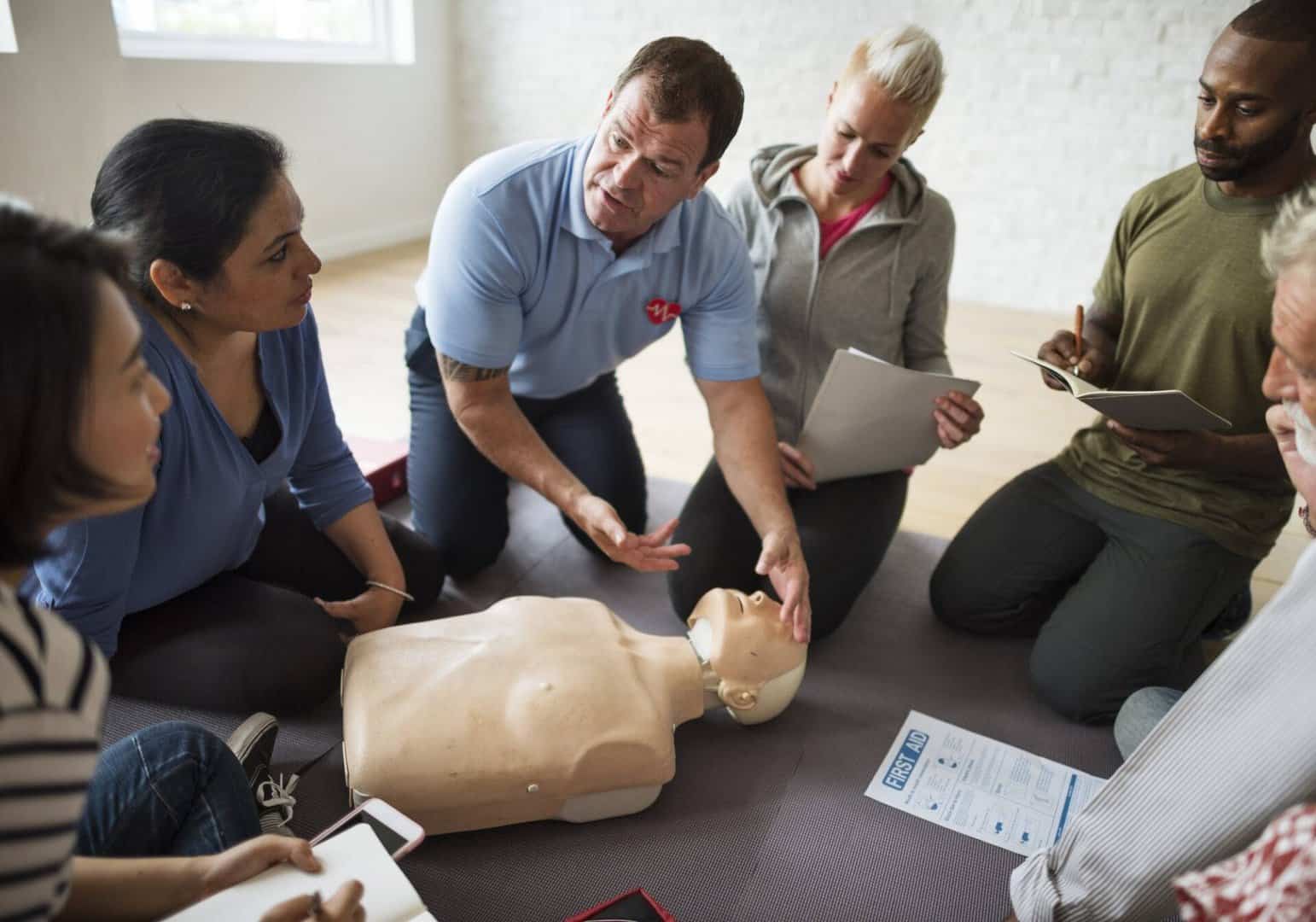
In-person training enables participants to exercise skills under professional supervision, guaranteeing far better retention and confidence in carrying out CPR correctly.
Training Certifications: Recognizing Period and Renewals
How Long Does a First Aid Certificate Last?
Typically, first aid certifications have a validity period varying from 3 years, after which refresher courses are recommended.
Renewal Choices Available
Refresher courses supply possibilities to stay upgraded on best practices while reinforcing formerly learned skills.
FAQs Regarding CPR Training
What sorts of first aid training courses are available?
There are many kinds including BLS, progressed first aid programs, hands-on handling training, and psychological health and wellness first aid courses.
How commonly should I restore my CPR certification?
Most accreditations last about three years; nevertheless, it's suggested to take refresher courses every year.
Can I find out CPR online?
Yes! Lots of trusted organizations use on the internet programs; nonetheless, ensure they consist of sensible assessments for ability reinforcement.
What needs to I seek in a first aid course?
Look for accreditation, experienced trainers, comprehensive web content covering both physical and psychological health aspects.
Are there particular training courses for infants?
Yes! Baby first aid programs focus on age-specific strategies vital for handling emergencies including infants and toddlers.
li31/ol4/hr8hr8/hr9hr9/##
Engaging with this material doesn't simply boost your individual ability-- it fosters neighborhood strength where each educated specific enters into a larger network all set to assist in times of need!